
Call: 08045814347
 Send Inquiry
 Send Inquiry
HDPE Membrane Waterproofing
Price 60 INR/ Square Foot
MOQ : 5000 Square Foots
HDPE Membrane Waterproofing Specification
- Surface Finish
- Smooth/Fabric Finish (varies by product type)
- Service Life
- > 25 years (environment dependent)
- Temperature Range
- -40C to +80C
- Material
- High-Density Polyethylene (HDPE)
- Chemical Resistance
- Excellent against common chemicals, salt, and alkalis
- Installation Method
- Loose-laid or fully bonded
- UV Resistance
- High
- Product Name
- HDPE Membrane Waterproofing
- Tensile Strength
- > 400 N/50 mm
- Puncture Resistance
- > 1100 N
- Elongation at Break
- > 600%
- Application Areas
- Basements, swimming pools, bridges, waste water treatment plants, tunnels
- Usage/Application
- Waterproofing of roofs, basements, foundations, tunnels, and retaining walls
HDPE Membrane Waterproofing Trade Information
- Minimum Order Quantity
- 5000 Square Foots
- Supply Ability
- 100 Square Foots Per Day
- Delivery Time
- 7 Days
- Sample Available
- Yes
- Sample Policy
- Free samples available with shipping and taxes paid by the buyer
- Main Domestic Market
- All India
HDPE Membrane Waterproofing About
PMH-3040 High Density Polyethylene (HDPE) Self-adhesive Waterproof Membrane is a kind of composite polymer waterproofing membrane, which coated with a non-asphalt-based polymer adhesive layer, weather resistance protective layer and isolation layer on a special high-density thermoplastic polyethylene(HDPE).
Unmatched Durability for Demanding Projects
Engineered for longevity, HDPE Membrane Waterproofing withstands mechanical stresses and environmental extremes, making it suitable for India's diverse climatic and operational conditions. Its temperature resilience (-40C to +80C) promises reliable performance for more than 25 years, even in challenging installations such as tunnels and waste water plants.
Versatile Finishes and Installation Methods
Choose between smooth or fabric finishes to fit your project requirements. Installation can be done via loose-laid or fully bonded approaches, offering flexibility for different structural needs. This adaptability ensures seamless integration with various substrates and site conditions, maximizing waterproofing efficiency.
FAQ's of HDPE Membrane Waterproofing:
Q: How is HDPE Membrane Waterproofing installed on different surfaces?
A: HDPE Membrane Waterproofing can be installed using either the loose-laid or fully bonded method, depending on the project's structural needs and site conditions. Skilled service providers in India ensure proper surface preparation and membrane application to maximize waterproofing effectiveness.Q: What makes HDPE Membrane Waterproofing highly durable for infrastructure projects?
A: With tensile strength over 400 N/50 mm, elongation at break above 600%, and puncture resistance exceeding 1100 N, the membrane is built to resist mechanical stress, chemical exposure, and UV degradation. This robustness results in a service life of more than 25 years under appropriate environmental conditions.Q: Where can HDPE Membrane Waterproofing be effectively used?
A: It is ideal for roofing, basements, foundations, tunnels, retaining walls, swimming pools, bridges, and even wastewater treatment plants-offering reliable waterproofing protection for diverse infrastructure projects.Q: What are the benefits of using HDPE Membrane Waterproofing in basements and tunnels?
A: The membrane's high chemical and puncture resistance, along with its ability to withstand movement due to elongation above 600%, ensures prolonged waterproofing performance in underground and high-moisture environments such as basements and tunnels.Q: When should HDPE Membrane Waterproofing be considered for a construction project?
A: It is recommended during the design or renovation of structures where long-term waterproofing, resistance to harsh chemicals, and durability against mechanical stresses are required. Early adoption helps in seamless integration into construction workflows.Q: How does the membrane handle extreme temperatures and environmental exposure?
A: With operational resilience from -40C to +80C and high UV resistance, the membrane reliably protects exposed and buried structures, maintaining its integrity across varying Indian climates.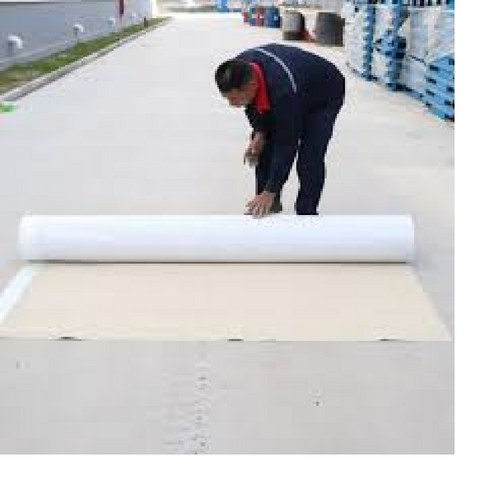
Tell us about your requirement

Price:
Quantity
Select Unit
- 50
- 100
- 200
- 250
- 500
- 1000+
Additional detail
Mobile number
Email

More Products in Membrane Waterproofing Category

Contact Details
KALKI CONSTRUCTIONS
GST : 27DYSPS5221Q2ZC
- Flat No. 4, B Wing Sadashubha Complex, Sr No. 56/16, Mumbai Banglore Highway, Narhe, Pune - 411041, Maharashtra, India
- Phone :08045814347
 Send Inquiry
Developed and Managed by Infocom Network Private Limited.
